Tracing Compliance Pathways Between Oversight Entities and Integrated Transaction Systems in Digital Entertainment Platforms
Written by Bianca Frank · Jun 5, 2026
Tracing Compliance Pathways Between Oversight Entities and Integrated Transaction Systems in Digital Entertainment Platforms
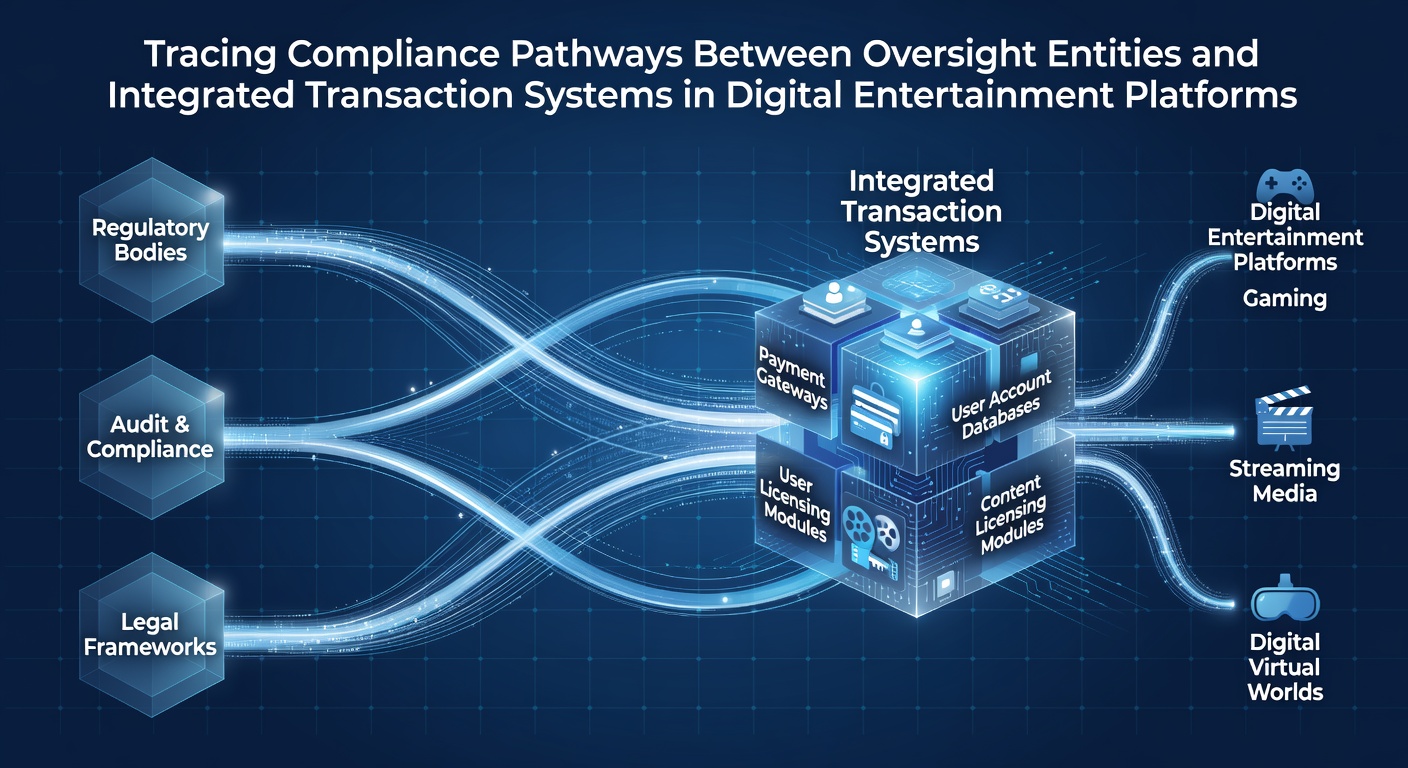
Digital entertainment platforms operate under layers of oversight that connect directly to transaction processing networks and these connections determine how funds move while meeting legal standards across regions. Oversight entities track every step from user deposits to payouts and they rely on integrated systems that log data in real time. Researchers have mapped these pathways to show where regulators interface with payment processors and where verification checkpoints appear during high-volume activity periods.
Regulatory Structures Guiding Transaction Flows
Agencies in multiple jurisdictions establish rules that platforms must embed into their transaction engines and these rules cover identity checks, fund segregation, and reporting thresholds. The Australian Communications and Media Authority publishes guidelines that require entertainment services to maintain audit trails linking each transaction to verified user accounts. In the United States, state-level bodies such as the Nevada Gaming Control Board enforce similar requirements for platforms operating within their borders and they conduct periodic reviews of system logs to confirm alignment with statutes.
Platforms integrate application programming interfaces that feed transaction data to regulatory dashboards and this setup allows examiners to query records without disrupting service. Data shows that synchronized systems reduce reporting delays from days to hours when volume spikes occur during major events. Observers note that platforms which embed these interfaces early encounter fewer interruptions during compliance audits conducted in June 2026.
Integrated Systems and Real-Time Monitoring
Transaction systems in digital entertainment environments combine payment gateways with compliance modules that flag unusual patterns automatically and these modules draw from historical datasets maintained by oversight bodies. When a transaction crosses a defined threshold the system pauses processing and routes the record for manual review while maintaining a timestamped chain of custody. Industry reports indicate that such automated pauses occur most frequently in cross-border transfers where currency conversion triggers additional verification layers.
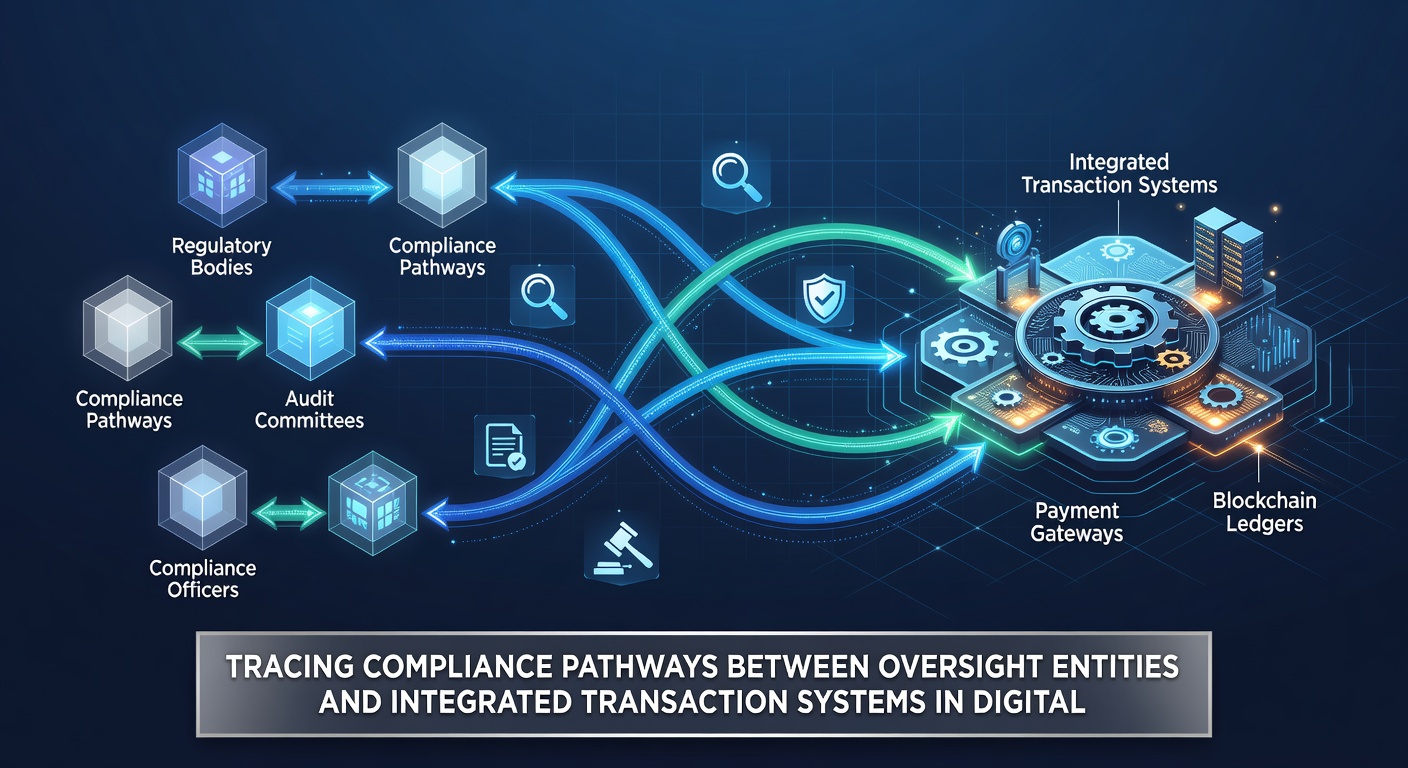
European regulators have collaborated with academic institutions on studies that examine how machine learning models improve detection accuracy within these integrated environments and one paper from a research consortium in the Netherlands demonstrated measurable gains in identifying mismatched account details. Platforms adopting these models report that reconciliation processes finish faster because discrepancies surface earlier in the workflow. The pathways therefore run in both directions with oversight entities receiving data while also supplying updated rule sets that platforms must incorporate into their codebases.
Pathway Examples Across Jurisdictions
Take one case where a North American platform expanded into additional markets and it had to align its transaction engine with new reporting formats required by Canadian provincial authorities. Engineers mapped each data field to corresponding regulatory fields and they tested the connection through sandbox environments before live deployment. The process revealed that certain payout categories needed separate tagging to satisfy both federal and provincial rules simultaneously.
Another pathway emerged when Asian entertainment services updated their systems to meet standards set by the Korea Casino Gaming Association and they incorporated direct feeds that transmitted daily aggregates to oversight portals. These feeds operate alongside existing banking integrations so transaction records reach regulators without requiring separate manual submissions. Figures reveal that platforms maintaining such parallel channels experience smoother license renewals because documentation remains current throughout the review cycle.
Technical Components Enabling Traceability
Encryption protocols protect data while it travels between platform servers and regulatory endpoints yet they still permit authorized queries to retrieve specific records. Blockchain-based ledgers appear in some newer implementations because they create immutable sequences that auditors can verify independently. Research indicates that platforms using distributed ledger elements for transaction histories reduce the time needed to reconstruct events during investigations.
Application logs capture every rule change and every data exchange so developers can trace exactly when a compliance update took effect. These logs feed into dashboards that oversight staff access through secure portals and the arrangement allows quick confirmation that platforms have applied the latest requirements. In June 2026 several platforms completed scheduled upgrades that added support for revised transaction categorization codes issued by multiple regulators.
Conclusion
Compliance pathways between oversight entities and integrated transaction systems continue to evolve as platforms expand and regulators refine their expectations. The connections rely on standardized data formats, automated monitoring tools, and bidirectional information flows that keep both sides informed. Those who study these systems find that platforms investing in robust integration experience fewer compliance gaps and maintain operational continuity across changing regulatory landscapes.