Secure Payment Pathways in Mobile Live Dealer Gaming
Written by Bianca Frank · Jul 17, 2026
Secure Payment Pathways in Mobile Live Dealer Gaming
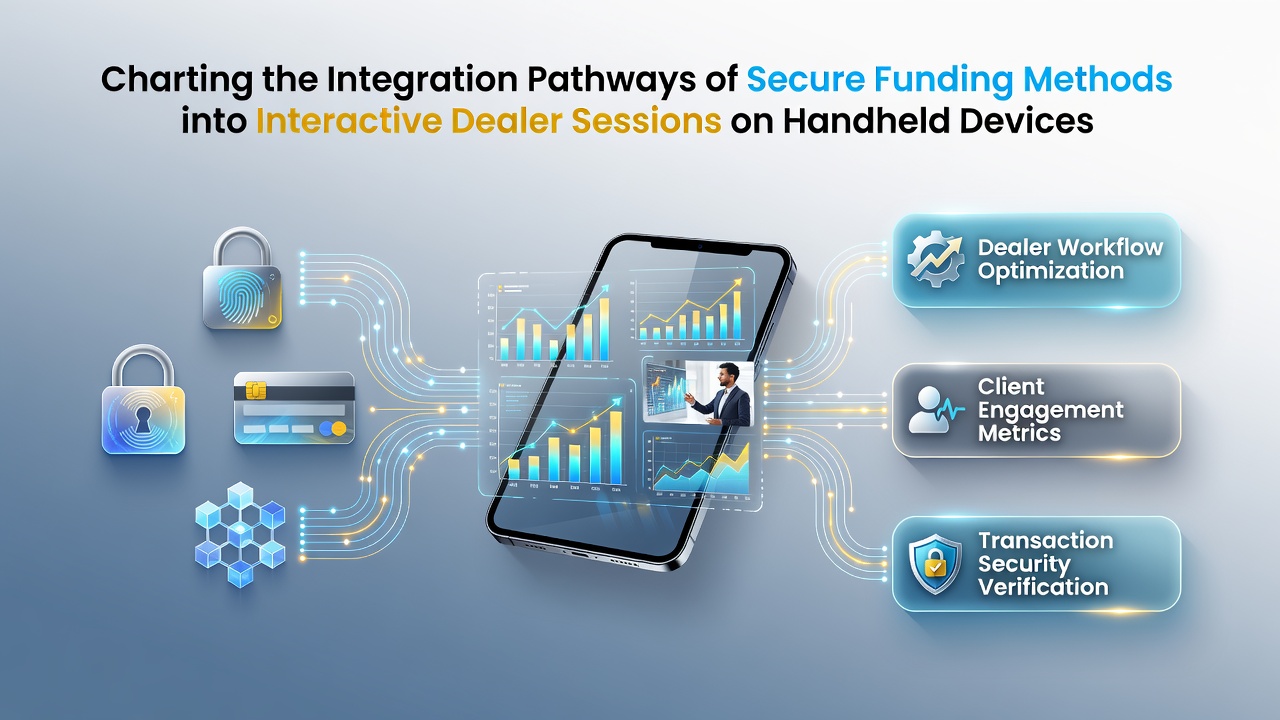
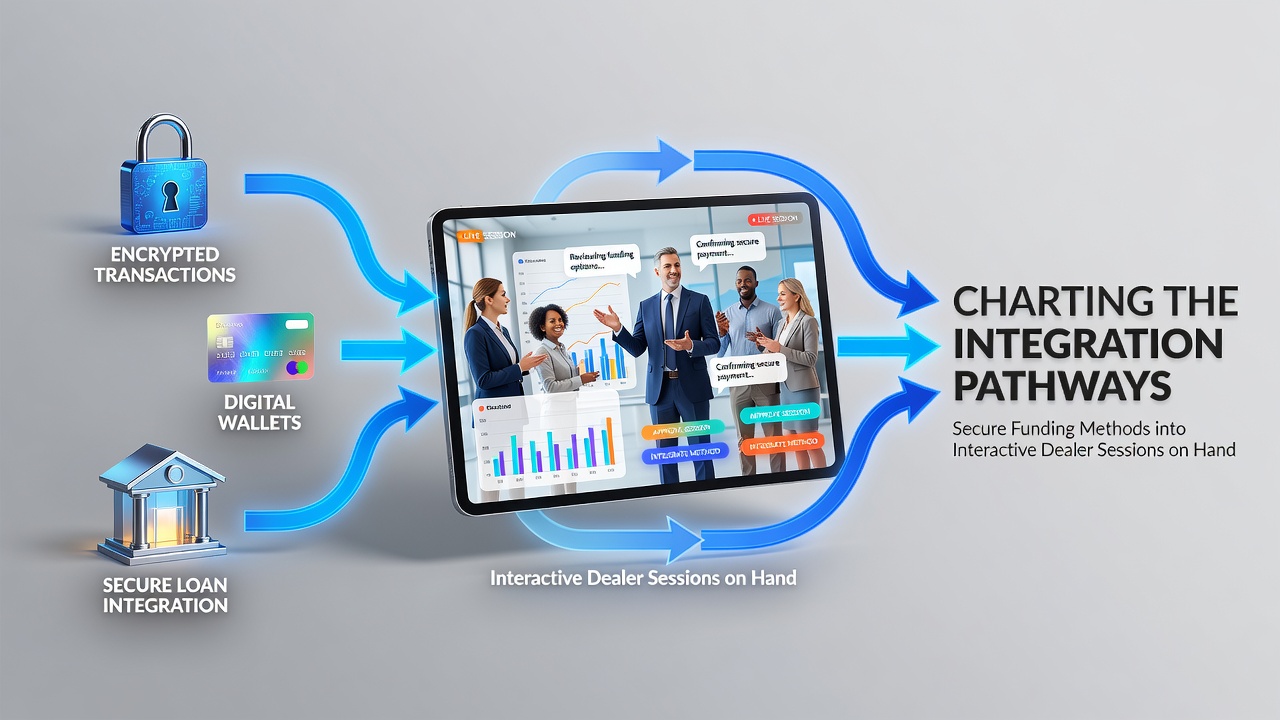
Secure funding methods now link directly into interactive dealer sessions on handheld devices through structured integration pathways that combine transaction verification with real-time gameplay. Operators connect digital wallets, bank transfers, and tokenized card systems to live dealer platforms via API gateways that process approvals in under three seconds, while maintaining session continuity for players across iOS and Android environments. Research from industry reports indicates these connections rely on layered encryption protocols that transmit data between mobile applications and backend servers without interrupting the dealer interaction.
Developers map these pathways by embedding payment modules within the same software stack that handles video streams and bet placements. A single session might route a deposit through a third-party processor that validates funds against player accounts before the dealer table updates the balance in real time. Figures from the American Gaming Association reveal mobile live dealer traffic grew steadily through mid-2026, with transaction volumes rising as operators refined these embedded funding routes.
Technical Architecture Behind the Connections
Integration begins at the device level where applications detect available funding sources through secure APIs that pull data from banks or e-wallets without storing sensitive details locally. The system then channels the authorization request to a compliance layer that cross-checks against regulatory databases before releasing funds into the active dealer session. Observers note that this architecture uses tokenization so actual card numbers never travel across the mobile network during live play.
Once approved, the pathway loops back to the game engine, which adjusts the player's chip count and notifies the dealer through the shared interface. Data shows these loops complete without visible lag because the payment confirmation runs parallel to the video feed rather than in sequence. As of July 2026, several platforms reported sub-second confirmation times across major handheld operating systems after updates to their core transaction handlers.
Security Layers Supporting Mobile Transactions
Encryption standards such as TLS 1.3 wrap every funding request that moves between the handheld device and the operator's servers during live dealer sessions. Multi-factor authentication steps activate before each transfer, requiring device biometrics or one-time codes that align with the ongoing game state. Studies from the European Gaming and Betting Association highlight how these measures reduce unauthorized access attempts while preserving the flow of interactive play.
Audit trails capture every step of the funding pathway, logging timestamps, device identifiers, and approval codes that regulators can review on demand. The system flags anomalies such as rapid successive deposits and pauses the session until verification completes. Those who've examined these logs find they integrate cleanly with the dealer software so security checks never pull players out of the live experience.
Regulatory Oversight Across Regions
Authorities in multiple jurisdictions require operators to demonstrate that funding pathways meet specific technical standards before licensing mobile live dealer products. The Nevada Gaming Control Board examines encryption strength and transaction speed during certification reviews, while iGaming Ontario focuses on player fund segregation within the same integration framework. Compliance documentation shows these reviews cover both the payment processor and the live dealer software vendor.
Cross-border operations add another layer because some pathways must satisfy data residency rules that keep transaction records within certain geographic boundaries. Operators adjust their routing logic accordingly so a session originating in one region processes payments through approved local gateways. Evidence from regulatory filings indicates this flexibility supports continued growth in handheld live dealer offerings without violating oversight requirements.
Practical Examples of Pathway Deployment
One operator integrated a digital wallet service directly into its mobile live roulette tables, allowing deposits to appear as chips on screen within the same dealer view. The connection used a dedicated API channel that separated funding traffic from video data yet synchronized both streams for the player. Reports from platform analytics showed average session lengths increased after the update because players no longer switched applications to manage balances.
Another deployment linked tokenized bank transfers to blackjack sessions on handheld devices, routing approvals through an established processor that already met regional compliance rules. The pathway included a fallback mechanism that switched to an alternative funding method if the primary route encountered delays. Data collected during the rollout confirmed that most transactions completed without players noticing any interruption to dealer interaction.
Conclusion
Integration pathways for secure funding methods continue to evolve alongside mobile live dealer technology as operators refine the technical links between transaction systems and interactive sessions. Regulatory bodies maintain oversight through ongoing certification processes that verify both speed and protection standards across different regions. The result is a set of connections that support real-time play on handheld devices while meeting established compliance benchmarks.