Regulatory Frameworks Bridging Gaming Authorities with Mobile Payment Ecosystems
Written by Bianca Frank · Jul 19, 2026
Regulatory Frameworks Bridging Gaming Authorities with Mobile Payment Ecosystems
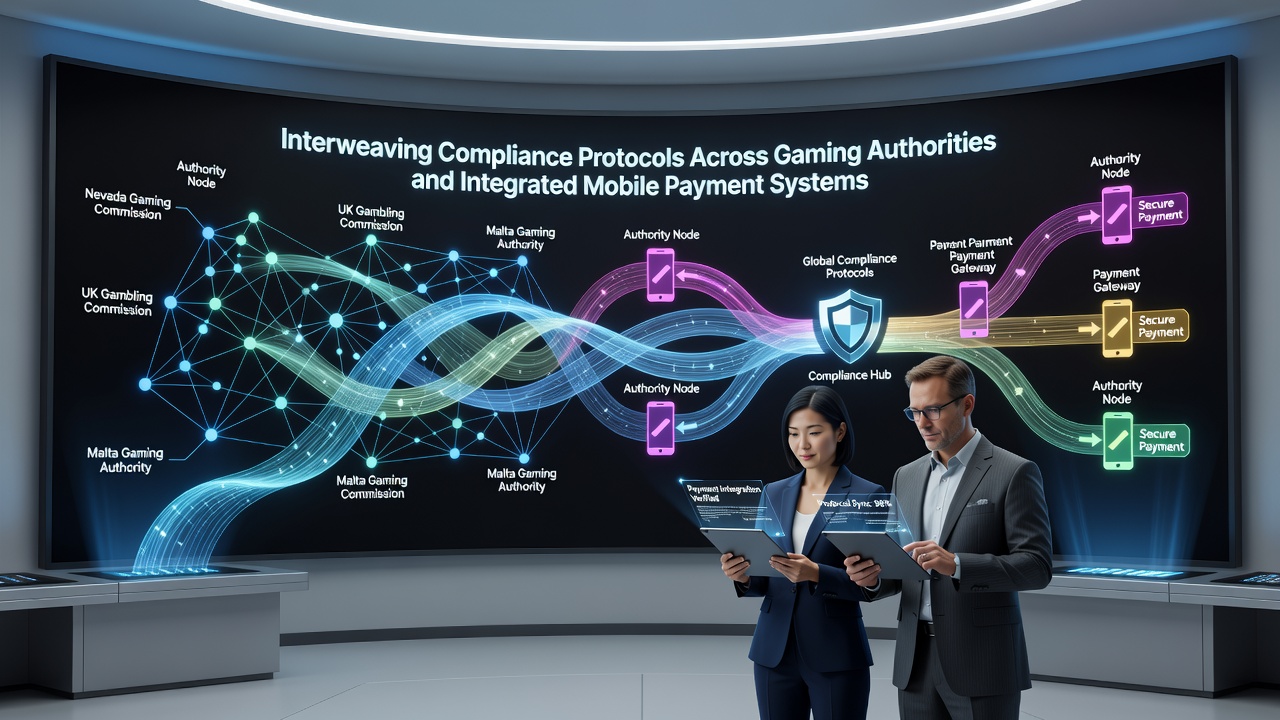
Regulatory bodies across multiple jurisdictions have developed layered protocols that connect directly with mobile payment processors, creating unified verification pathways for transactions in digital gaming environments, and these connections have grown more intricate since early 2026 as states and provinces expanded online access. Data from industry tracking services shows transaction volumes through integrated systems rose steadily through the first half of the year, driven by updates in authentication standards that link player accounts to real-time compliance checks.
Core Elements of Protocol Alignment
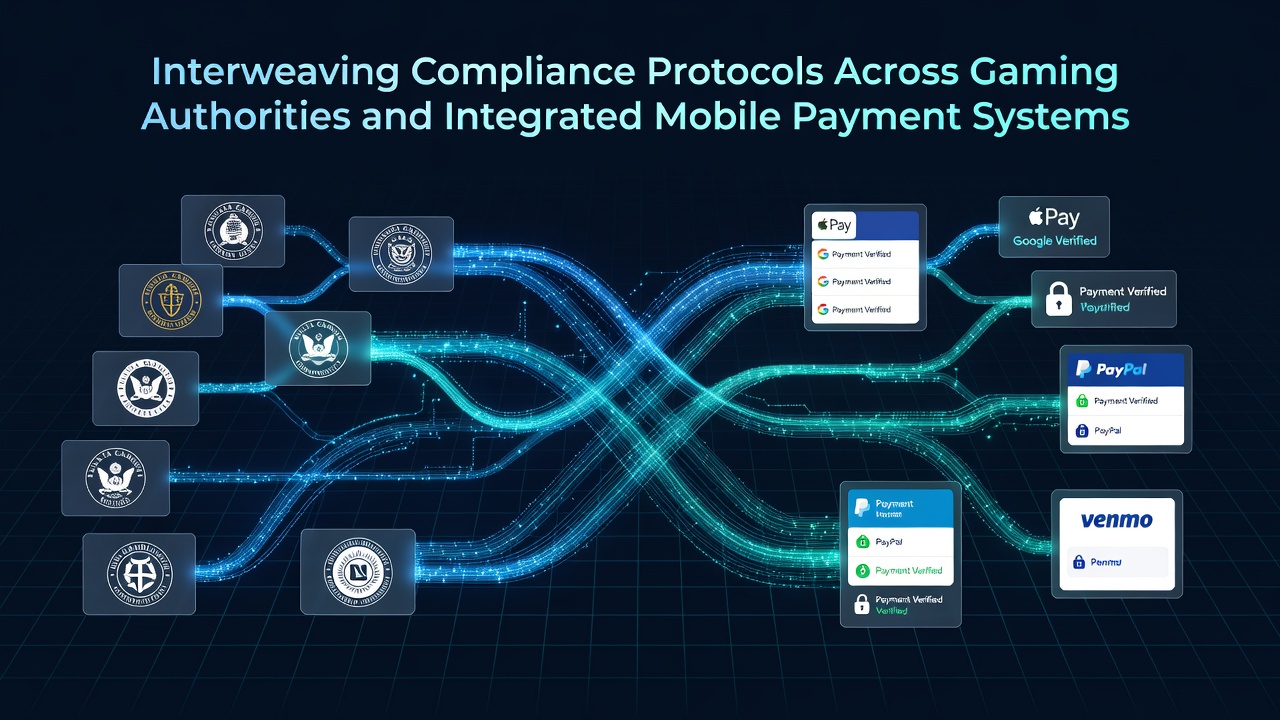
Gaming authorities maintain separate yet overlapping requirements for identity verification, transaction monitoring, and fund segregation, while mobile payment providers embed these rules into application programming interfaces that trigger automatic flags during deposit or withdrawal sequences. Researchers at academic centers focused on digital finance have documented how these interfaces reduce manual review times by routing data through shared ledgers that both regulators and operators can audit without duplicating effort. In practice, a single mobile session might pass through sequential checks originating from different oversight entities, each confirming elements such as age eligibility, geographic restrictions, and anti-money laundering thresholds before funds reach the gaming platform.
Regional Variations in Implementation
North American examples illustrate distinct approaches that still converge on common technical standards. The Nevada Gaming Control Board requires mobile payment gateways to maintain continuous reporting feeds that align with state-specific reporting intervals, whereas Canadian provincial commissions coordinate through centralized clearinghouses that synchronize data across multiple operators. Australian state regulators apply similar synchronization methods, requiring payment processors to incorporate location-based triggers that activate or pause services based on player jurisdiction. Observers note that these regional differences create a patchwork effect, yet common data formats have emerged that allow cross-border operators to maintain consistent compliance layers without rebuilding systems for each market.
Technical Mechanisms Supporting Integration
Application-level integrations rely on encrypted data streams that carry compliance metadata alongside transaction details, enabling payment systems to validate against multiple rule sets in milliseconds. Studies from research institutions tracking financial technology adoption indicate that these streams incorporate dynamic risk scoring models updated quarterly by regulatory working groups. When a player initiates a mobile deposit in July 2026, the payment processor queries the relevant authority database, receives an encrypted response confirming status, and either completes or halts the transfer accordingly. Such processes operate without exposing full player records, preserving privacy while satisfying audit requirements.
Challenges in Maintaining Synchronized Standards
Discrepancies arise when one jurisdiction updates its rules faster than payment providers can propagate changes across all connected platforms, creating temporary gaps that operators must bridge through manual overrides. Industry reports compiled by trade associations reveal that coordination meetings held among regulators and technology vendors have increased in frequency to address these timing issues. Payment networks have responded by building modular compliance engines that accept rule updates as plug-in modules, allowing quicker adaptation without full system redeployment. Those who've examined these setups find that successful implementations depend on standardized testing environments where new protocols undergo validation before live deployment.
Future Trajectories for Unified Oversight
Emerging frameworks emphasize greater interoperability among oversight entities through shared certification programs that recognize equivalent compliance measures across borders. Figures released by international gaming research bodies project continued growth in mobile transaction volumes, which will test the scalability of existing data exchange protocols. Working groups composed of representatives from multiple authorities continue refining common terminology and data schemas that reduce translation overhead between systems. These efforts focus on maintaining security while supporting seamless user experiences across different regulatory landscapes.
Conclusion
Integration between gaming authorities and mobile payment systems rests on technical standards and coordinated rule updates that allow verification processes to operate in sequence rather than isolation. Evidence from operational data and regulatory filings demonstrates measurable improvements in processing speed alongside maintained oversight levels. As additional jurisdictions adopt mobile gaming frameworks, the emphasis remains on refining these connections to handle increasing transaction complexity without compromising established safeguards.