Integrating Identity Verification with Dynamic Reward Systems in Digital Casino Environments
Written by Bianca Frank · Aug 23, 2026
Integrating Identity Verification with Dynamic Reward Systems in Digital Casino Environments
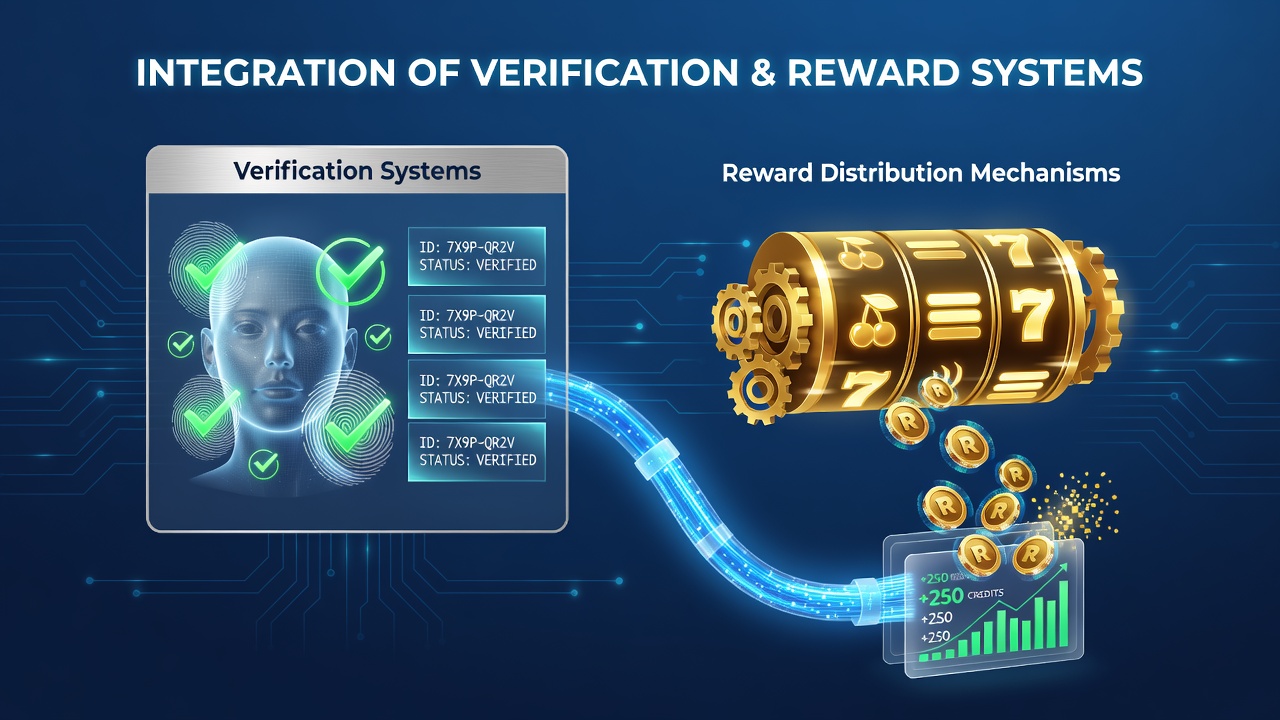
Digital casino platforms have developed intricate connections between verification systems and reward distribution mechanisms to manage player eligibility and transaction security. These integrations rely on automated protocols that cross-check identity data against regulatory databases before releasing bonuses or loyalty points. In August 2026 several operators reported expanded use of real-time API connections that link KYC modules directly to payout engines, reducing manual reviews while maintaining compliance standards.
Core Components of Verification Systems
Verification frameworks in these environments typically incorporate document scanning, biometric matching, and address validation through third-party services. Operators connect these tools to centralized databases maintained by gaming authorities, allowing instant flagging of restricted accounts. When a player completes registration the system initiates a layered check that compares submitted details with government-issued records and previous activity logs, creating a profile that determines reward access levels.
Data from industry reports shows that platforms using integrated verification achieve faster bonus activation times compared to segmented approaches. The process involves continuous monitoring after initial approval, with periodic re-verification triggered by large reward claims or unusual betting patterns. This ongoing linkage ensures that reward distribution engines only process transactions for accounts holding current compliance status.
Mechanics of Reward Distribution Integration
Reward distribution mechanisms operate through rule-based engines that reference verification status before executing transfers. These engines pull data from verification modules via secure APIs, confirming that a player meets age, location, and account standing requirements. Once verified the system calculates bonus amounts according to predefined formulas tied to deposit history and wagering activity, then releases credits automatically into the player wallet.
Researchers have observed that such synchronization prevents duplicate account creation and reduces instances of bonus abuse across platforms. The integration also supports progressive jackpot networks by validating player eligibility before contribution calculations occur. In practice this means a verified account receives seamless access to loyalty tiers while unverified profiles remain locked from promotional features until documentation clears.
Technical Architecture Supporting the Connection
Modern implementations use microservices architectures where verification services communicate with reward ledgers through encrypted channels. Each service maintains audit logs that record every status change, allowing regulators to trace how verification outcomes influenced specific reward events. Cloud-based orchestration tools schedule these checks during low-traffic periods to minimize latency during peak gaming hours.
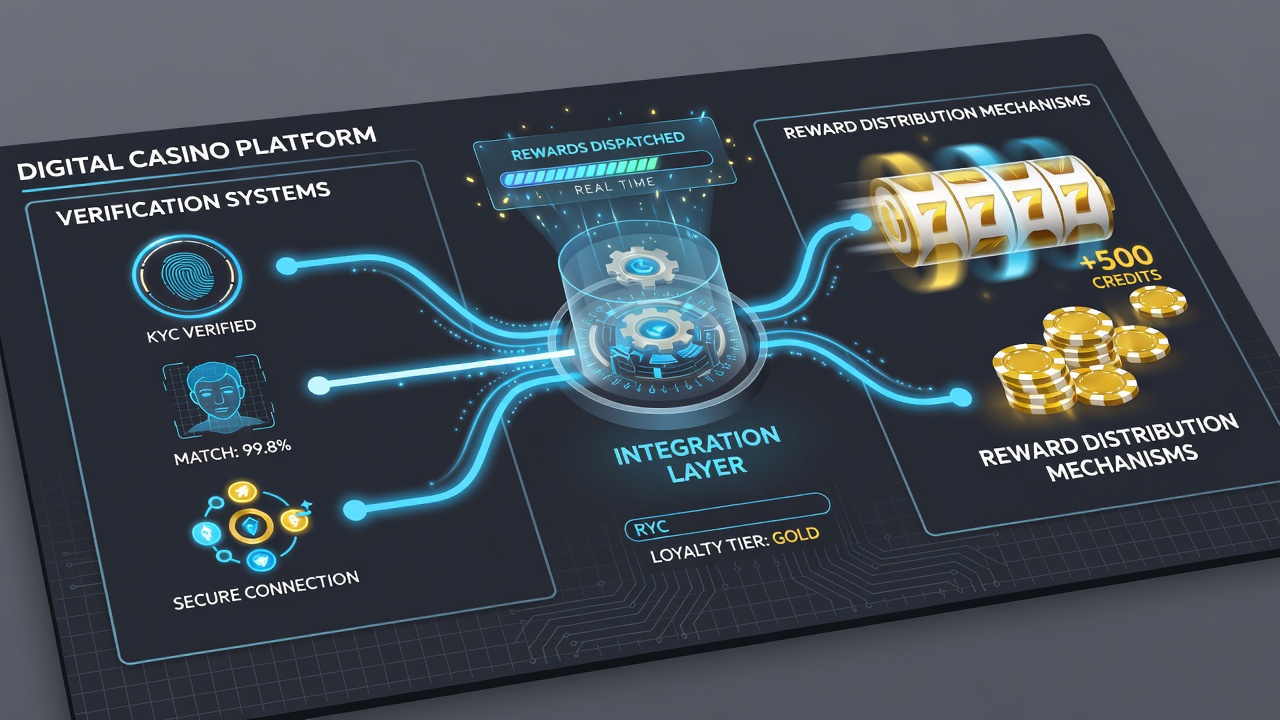
Platforms often employ event-driven triggers so that verification updates immediately propagate to the reward engine without requiring separate user actions. This design supports mobile-first environments where players expect instant access to free spins or cashback offers once documents receive approval. Observers note that the architecture also accommodates multi-jurisdictional operations by routing checks through region-specific compliance gateways before final reward authorization.
Regulatory Influences on System Design
Authorities such as the Pennsylvania Gaming Control Board and the Malta Gaming Authority have issued technical standards requiring verifiable audit trails between identity checks and bonus releases. These guidelines encourage operators to maintain immutable records that demonstrate reward eligibility at the moment of distribution. Compliance teams review these logs during routine inspections to confirm that no rewards reached ineligible accounts.
Academic studies from institutions tracking gambling technology adoption indicate that integrated systems improve reporting accuracy for tax and responsible gaming obligations. The linkage allows platforms to automatically suspend rewards when verification flags appear, aligning operational processes with broader regulatory expectations across multiple regions.
Operational Benefits Observed in Practice
Operators report reduced processing times for player inquiries when verification and reward systems share a unified data layer. Support staff access consolidated dashboards that display both compliance status and pending reward actions, enabling quicker resolution of account issues. This unified view also supports marketing teams in designing targeted promotions that respect verification thresholds without manual intervention.
Case examples from large-scale deployments show that synchronized systems handle higher volumes of simultaneous reward claims during promotional events. The automated handoff between verification and distribution modules limits bottlenecks that previously occurred when separate teams managed each function independently.
Conclusion
The integration of verification systems with reward distribution mechanisms continues to evolve as platforms adopt more sophisticated data exchange protocols. Current implementations focus on real-time status sharing and detailed logging to meet regulatory requirements while supporting efficient player experiences. Industry data from August 2026 indicates sustained investment in these connections across major digital casino networks, reflecting ongoing efforts to align security measures with operational reward processes.