Integrated Data Pathways Connecting Live Dealer Engagements to Oversight Systems in Digital Platforms
Written by Bianca Frank · Aug 4, 2026
Integrated Data Pathways Connecting Live Dealer Engagements to Oversight Systems in Digital Platforms
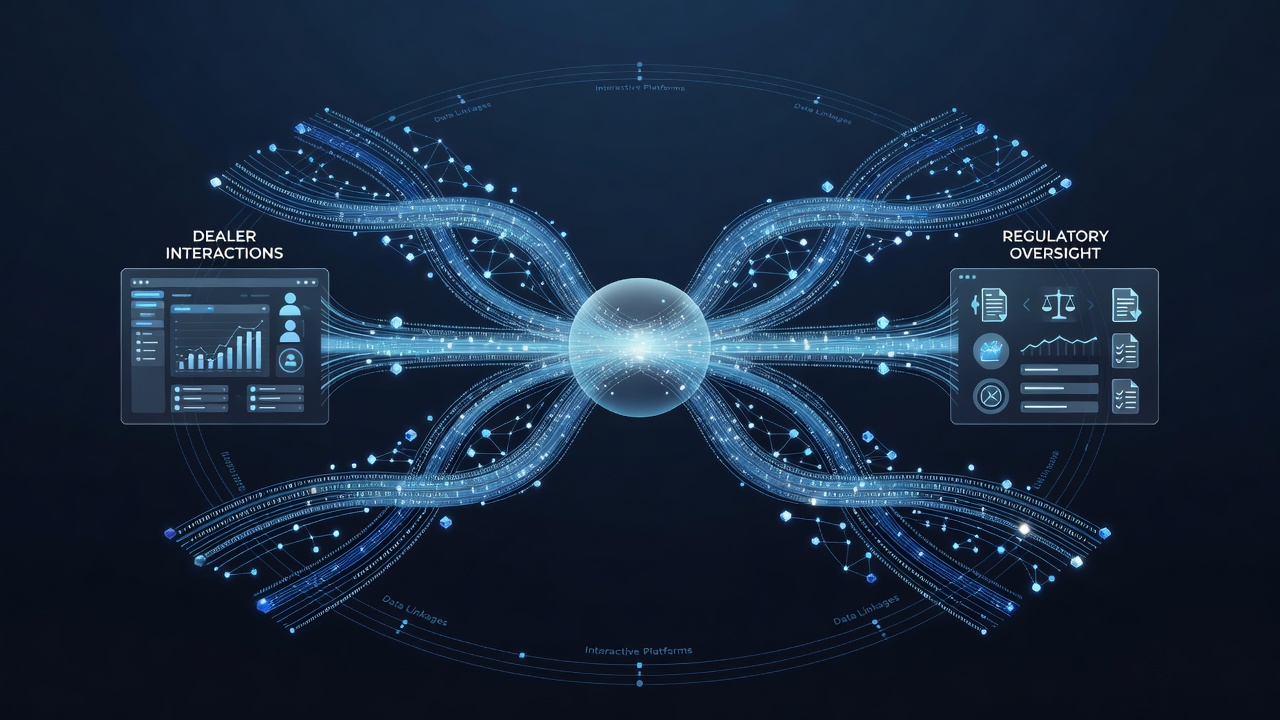
Live dealer interactions in interactive platforms generate continuous data streams that flow into centralized monitoring systems used by regulators across multiple jurisdictions. These streams capture everything from card shuffles and player decisions to payout confirmations and session timestamps, creating a unified dataset that oversight bodies examine for compliance patterns. In August 2026 regulators in several regions reported increased integration of these streams with automated alert systems designed to flag anomalies in real time.
Core Components of Dealer Data Streams
Dealer interactions produce structured records that include video feeds, action logs, and transaction markers, all timestamped to millisecond precision. Platforms route these records through encrypted channels to aggregation servers where algorithms match dealer actions against game rules and jurisdictional standards. Observers note that synchronization occurs at multiple layers, allowing regulators to trace a single hand from initial deal through final settlement without manual intervention.
Systems often combine dealer camera inputs with backend RNG verification outputs so that any deviation triggers immediate review protocols. Data from these combined sources reaches oversight dashboards within seconds, enabling quicker responses to potential irregularities than older batch-reporting methods permitted.
Regulatory Oversight Mechanisms in Action
Agencies such as the Nevada Gaming Control Board maintain direct feeds from approved platforms, pulling subsets of dealer interaction data for periodic audits. Similar arrangements exist with the Australian Communications and Media Authority, which cross-references live session logs against player protection requirements. These parallel systems demonstrate how data convergence reduces reporting delays while preserving the independence of each oversight entity.
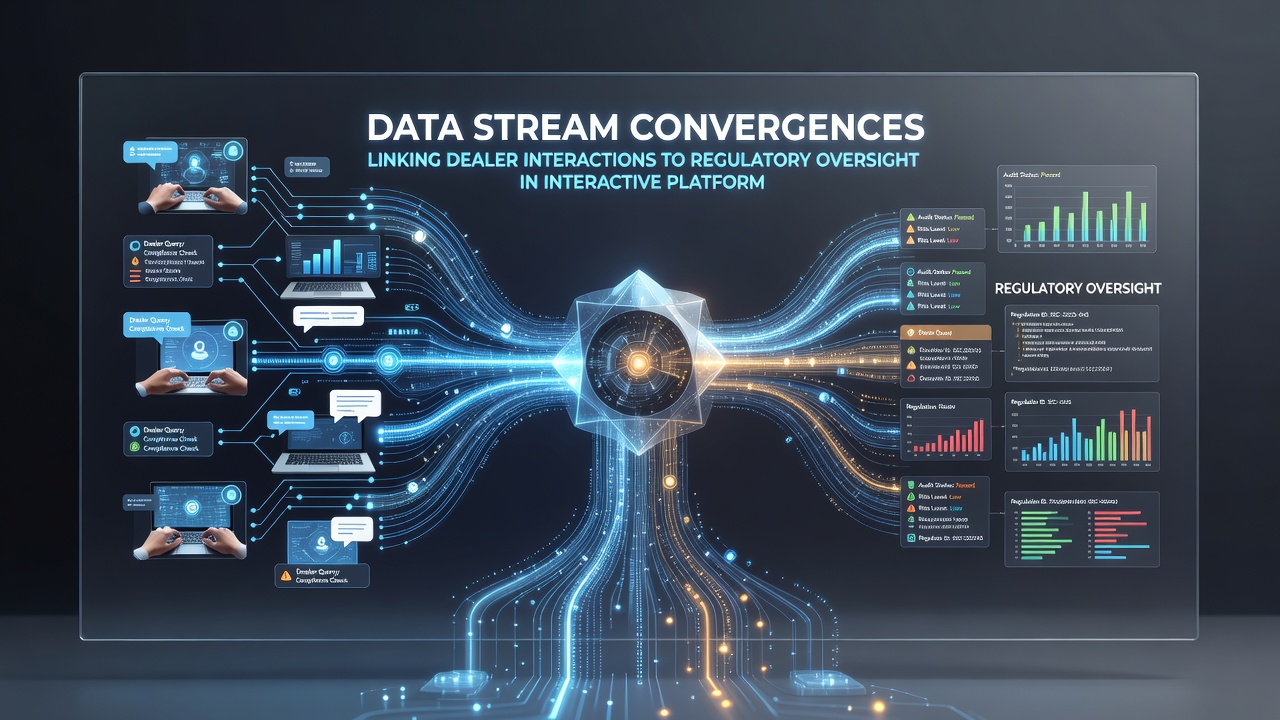
Convergence points typically sit at secure cloud nodes operated by licensed technology providers. At these nodes, dealer action sequences merge with financial transaction records before export to regulator portals. One study released by the American Gaming Association in early 2026 documented a 37 percent reduction in audit preparation time for operators using fully converged pipelines.
Technical Standards Driving Integration
Industry groups have published protocols that define data formats for dealer events, ensuring interoperability between platform vendors and regulatory software. These standards specify fields for every possible action, from card reveals to tip handling, and require digital signatures that regulators can validate independently. When platforms adopt the protocols, data streams arrive in uniform structures that simplify cross-border comparisons.
Encryption layers wrap each packet so that interception yields no usable information, while hashing functions allow regulators to confirm that records remain unaltered after capture. Multiple jurisdictions now require these protections as baseline conditions for platform licensing renewals scheduled in the second half of 2026.
Case Examples from Current Operations
Operators in North America have implemented dashboards that display real-time compliance scores derived from dealer interaction metrics. When a pattern deviates from expected ranges, the system generates an automatic notification sent simultaneously to the operator and the relevant regulatory contact. This dual-alert approach emerged after pilot programs showed faster resolution of minor discrepancies before they escalated.
European platforms have tested similar linkages with national authorities, routing dealer session metadata through certified intermediaries that strip personally identifiable information before delivery. The resulting anonymized streams still contain enough detail for statistical oversight while meeting data-protection statutes.
Future Developments Expected by Late 2026
Analysts anticipate further convergence as machine-learning models begin to pre-screen dealer data streams for regulators, highlighting only those segments that warrant human review. Several platform providers have announced partnerships with oversight technology firms to embed these screening layers directly into existing data pipelines. The result, according to preliminary figures from industry reports, points toward shorter audit cycles and reduced operational friction for compliant operators.
Conclusion
Data stream convergence continues to reshape how dealer interactions reach regulatory oversight in interactive platforms. Standardized formats, secure transmission methods, and automated alert systems together create pathways that deliver verifiable records faster than previous approaches allowed. As more jurisdictions adopt these integrated models throughout 2026, the linkage between live operations and compliance monitoring grows tighter while remaining auditable at every stage.