Following Certification Chains: Protocols Linking Lab Approvals to Device-Wide Session Reliability
Written by Zoe Fischer · Jul 21, 2026
Following Certification Chains: Protocols Linking Lab Approvals to Device-Wide Session Reliability
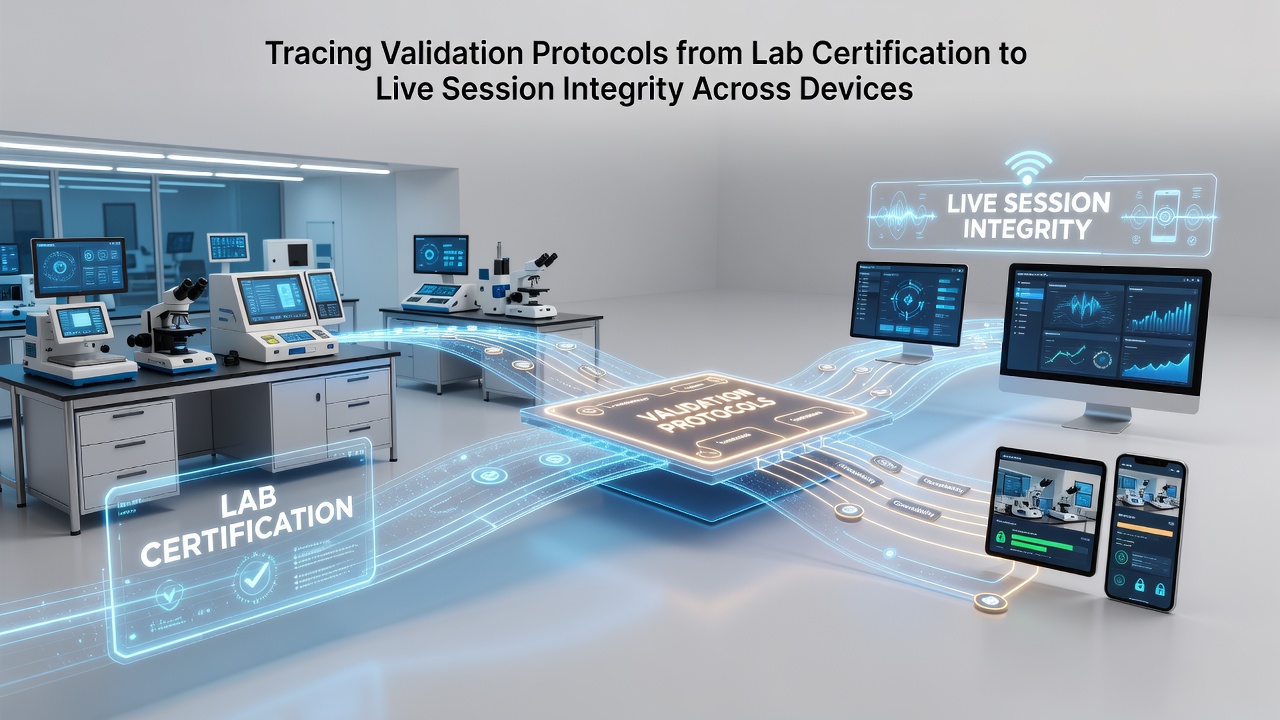
Validation protocols begin in controlled laboratory environments where independent testing facilities examine software components against established technical standards, and these evaluations produce formal certifications that travel forward into operational systems. Research from standards organizations shows that labs measure factors such as random number generation accuracy, encryption strength, and data transmission security before issuing approvals that operators must maintain throughout deployment cycles.
Initial Laboratory Evaluation Stages
Technicians subject game engines and transaction modules to repeated test suites that simulate thousands of operational scenarios, while documentation requirements ensure every code change receives subsequent review. Data from certification bodies indicates that successful passage through these stages creates baseline trust markers that later systems reference during live checks, and the process typically spans several weeks depending on system complexity. Observers note that labs maintain strict separation between testing and client operations, which helps preserve impartial results across multiple jurisdictions.
Transfer from Lab to Production Systems
Once certifications clear laboratory gates, the resulting documentation moves into integration pipelines where operators embed verification tokens into server configurations, and these tokens enable downstream monitoring tools to confirm ongoing compliance. Studies conducted by research institutions reveal that automated scripts compare live outputs against certified baselines at regular intervals, flagging deviations before they affect user sessions. The transition phase often includes pilot deployments on limited device sets to verify that certification parameters hold under varied network conditions.
Real-Time Integrity Monitoring During Active Sessions
Live session checks rely on continuous cryptographic challenges that confirm both server and client components still match their certified states, while session logs capture timestamped evidence for post-event audits. According to findings published by the Canadian Centre for Cyber Security, these checks occur at sub-second intervals during high-volume periods without introducing noticeable latency for end users. Engineers implement layered alert systems that isolate affected sessions when anomalies appear, allowing the remaining network traffic to continue uninterrupted.
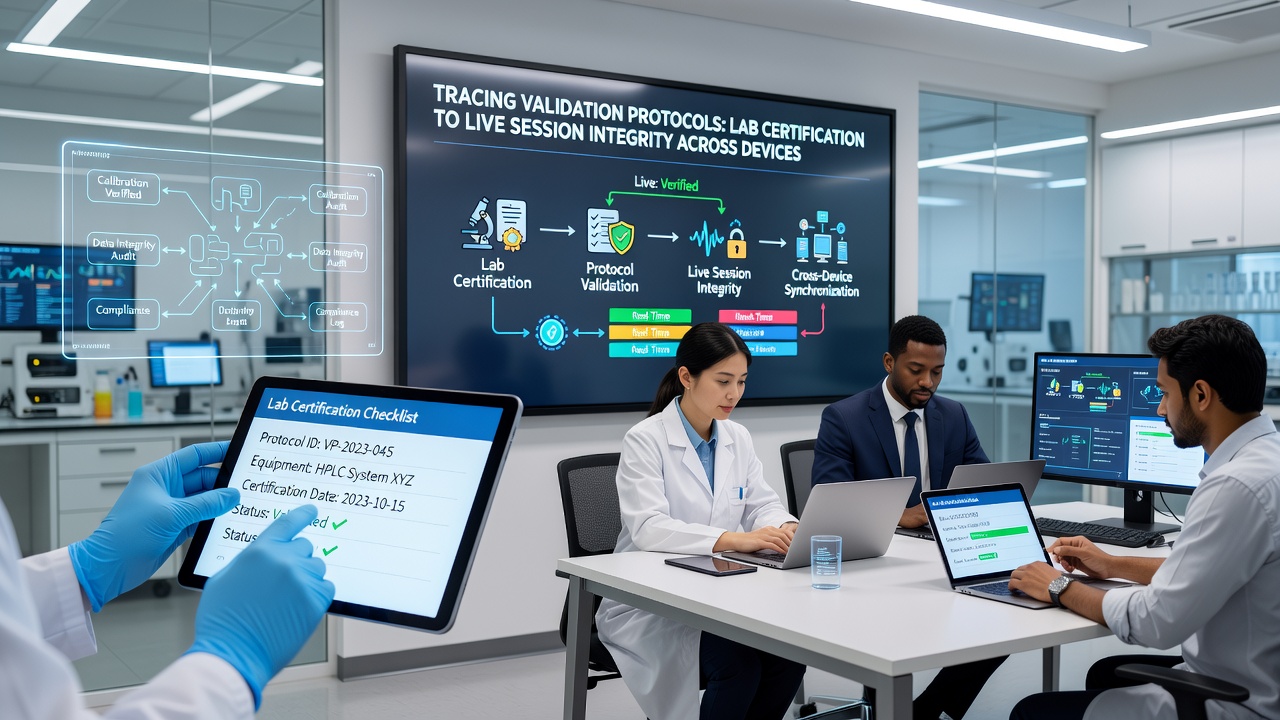
Cross-device continuity adds another verification layer because users frequently switch between phones, tablets, and desktops within single account sessions, and protocols must reconcile state information across these transitions. Validation frameworks track device fingerprints and session identifiers simultaneously, which prevents replay attacks that might otherwise exploit device handoffs. Reports from academic research groups at institutions in Australia indicate that successful implementations reduce cross-device mismatch incidents by measurable percentages when multi-factor device registration is enforced.
July 2026 Protocol Updates and Regional Variations
Regulatory updates scheduled for July 2026 introduce enhanced requirements for biometric session binding in several markets, and operators have begun preparatory testing to align existing certification trails with these new mandates. European and North American oversight bodies have published aligned technical annexes that specify additional logging fields for device context data, while Asian regulatory frameworks emphasize real-time reporting to centralized monitoring portals. These coordinated changes aim to close gaps that emerge when sessions span international borders and different device ecosystems.
Industry associations have documented case studies where early adopters integrated the updated protocols ahead of deadlines, revealing that modular certification designs allow faster adaptation compared with monolithic validation stacks. The same reports note that smaller operators often partner with specialized testing houses to manage the increased documentation load associated with these transitions.
Conclusion
The complete chain from laboratory certification through live session monitoring and across-device continuity forms a continuous verification loop that regulatory frameworks require operators to sustain. Evidence collected by multiple oversight entities demonstrates that maintaining this chain depends on consistent documentation practices, automated monitoring tools, and timely incorporation of evolving technical standards. As device diversity and session complexity continue to grow, the protocols themselves receive iterative refinement through collaborative input from laboratories, regulators, and platform developers.