Charting Neural Oversight Networks: How Predictive Modeling Aligns Fairness Protocols With Cross-Device Reward Flows in Remote Chance Systems
Written by Bianca Frank · Jul 7, 2026
Charting Neural Oversight Networks: How Predictive Modeling Aligns Fairness Protocols With Cross-Device Reward Flows in Remote Chance Systems
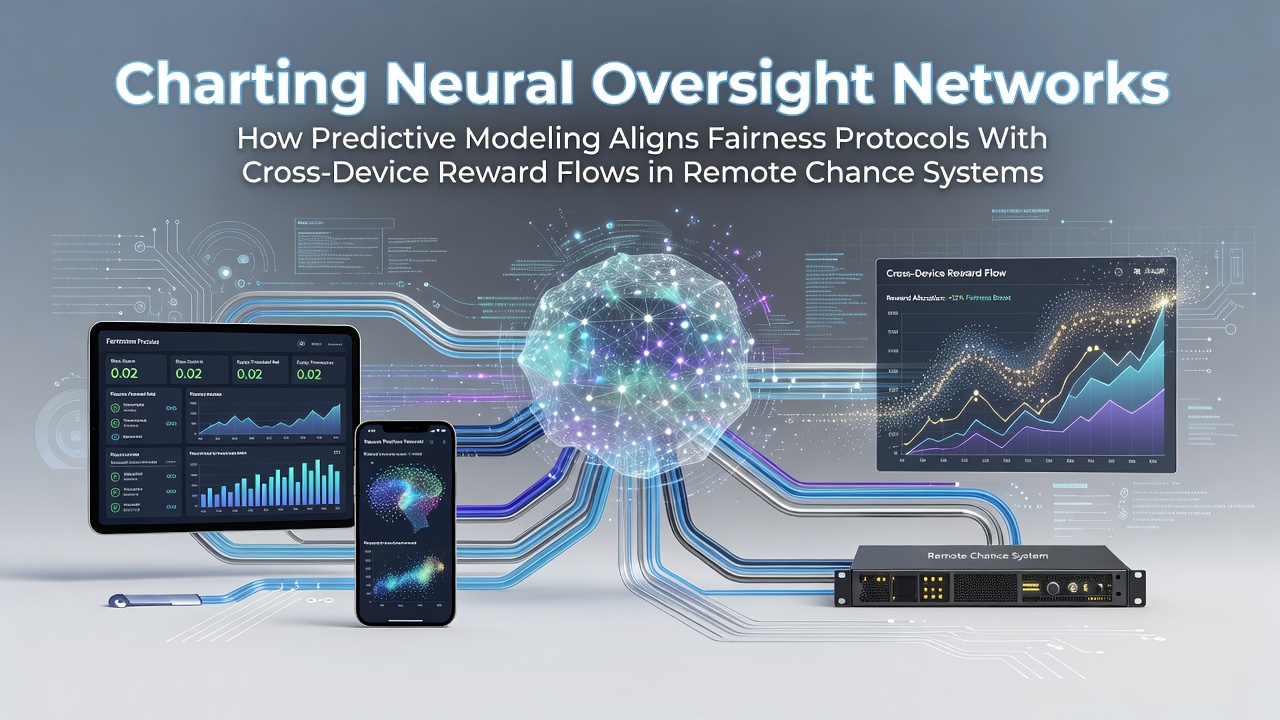
Remote chance systems rely on complex algorithms to generate outcomes across mobile and desktop platforms, and neural oversight networks have emerged as a key mechanism for maintaining consistency in those environments. These networks process real-time data streams from multiple devices while applying predictive models that forecast potential deviations from established fairness benchmarks. Data from regulatory filings indicate that operators began scaling such systems more aggressively in early 2026 as device fragmentation increased across global markets.
Neural Oversight Networks in Practice
Operators deploy layered neural architectures that ingest transaction logs, session metadata, and outcome sequences to identify patterns that could signal protocol drift. Researchers at institutions studying digital entertainment platforms have documented how these models integrate inputs from both live dealer feeds and automated reel mechanics, creating unified oversight layers that operate continuously. One documented implementation in North American venues showed neural nodes flagging reward flow inconsistencies within 400 milliseconds of detection, allowing immediate recalibration before player sessions concluded.
Cross-device synchronization presents particular challenges because reward eligibility often depends on cumulative activity across phones, tablets, and computers. Predictive modeling addresses this by constructing behavioral baselines for each account, then projecting how fairness metrics should evolve when players switch platforms mid-session. Figures released by the New Jersey Division of Gaming Enforcement in June 2026 revealed that venues using such modeling reported a 17 percent reduction in disputed reward claims compared with the prior quarter.
Predictive Modeling and Fairness Alignment
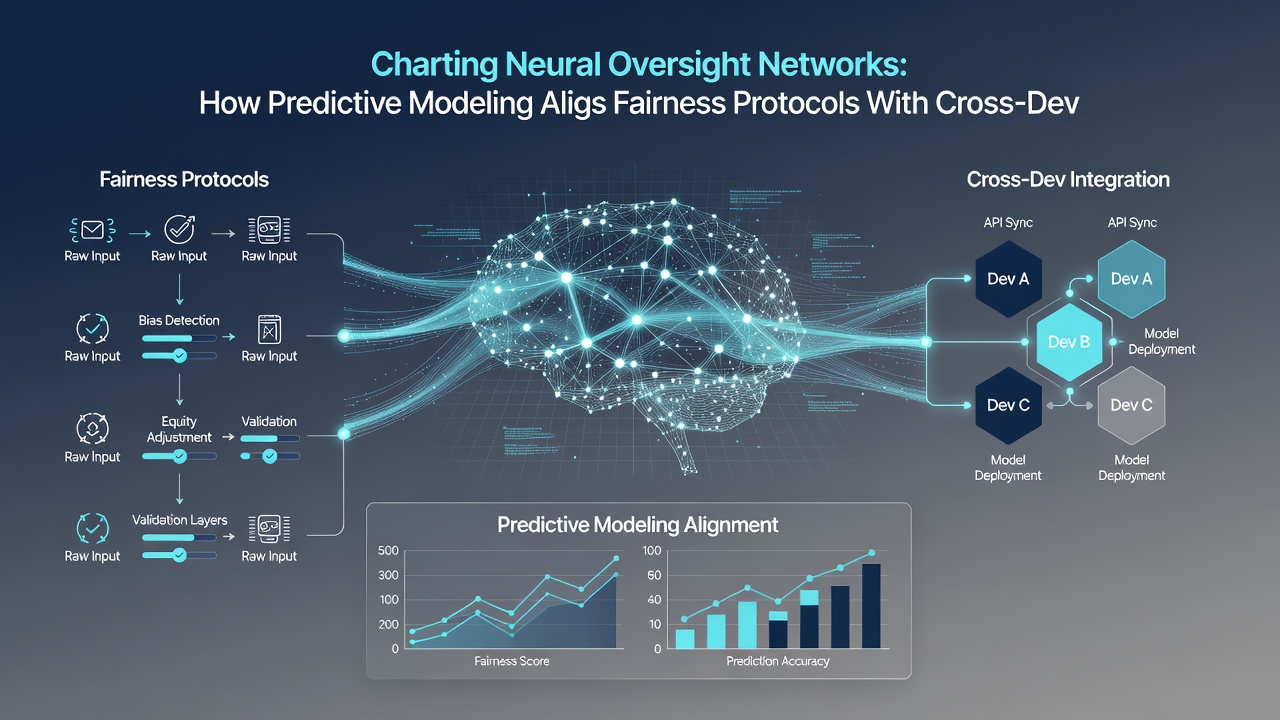
Predictive components within these networks generate probability distributions for future outcomes based on historical data sets that span millions of remote sessions. When deviations from expected distributions appear, the system triggers protocol adjustments that realign reward flows without interrupting active play. Observers note that this approach differs from earlier static audit methods because adjustments occur dynamically rather than after periodic reviews. Industry reports from the European Gaming and Betting Association highlight similar deployments in Mediterranean markets where device diversity matches North American patterns.
Alignment protocols also incorporate device-specific variables such as latency profiles and interface rendering differences, ensuring that fairness calculations remain consistent regardless of access point. A study published through the University of Nevada, Reno's gaming research division in spring 2026 examined three major platforms and found that predictive alignment reduced variance in payout ratios by measurable margins across all tested device categories.
Cross-Device Reward Flows and Regulatory Context
Reward distribution mechanisms now operate through centralized ledgers that neural networks monitor for equitable allocation. When a player accumulates qualifying activity on one device, the system must propagate that progress accurately to subsequent sessions on different hardware. Predictive models anticipate potential desynchronization points by analyzing network conditions and device handoff frequencies, then pre-emptively adjust internal counters. According to compliance summaries issued by the Alcohol and Gaming Commission of Ontario in July 2026, operators adopting these anticipatory techniques showed improved audit scores during routine inspections.
Remote chance systems generate enormous volumes of outcome data daily, and neural oversight networks compress this information into actionable signals that regulators and operators can review. The models distinguish between normal statistical variation and anomalies that might indicate protocol misalignment, enabling targeted interventions rather than broad system pauses. Gaming associations in Australia have reported parallel developments where cross-device reward tracking integrated with predictive oversight produced cleaner reconciliation reports at month-end.
Conclusion
Neural oversight networks continue to evolve alongside advances in predictive modeling, providing operators with tools that maintain fairness standards while supporting fluid reward movement across devices. Regulatory bodies in multiple jurisdictions now reference these systems when evaluating compliance submissions, and data collection efforts in July 2026 suggest further integration with transaction verification layers. As remote chance environments expand, the alignment between predictive forecasting and protocol enforcement remains central to operational stability across platforms.