Charting Interlinked Verification Chains Between Software Auditors and Mobile Transaction Gateways in Digital Table Game Networks
Written by Tina Bauer · Jun 28, 2026
Charting Interlinked Verification Chains Between Software Auditors and Mobile Transaction Gateways in Digital Table Game Networks
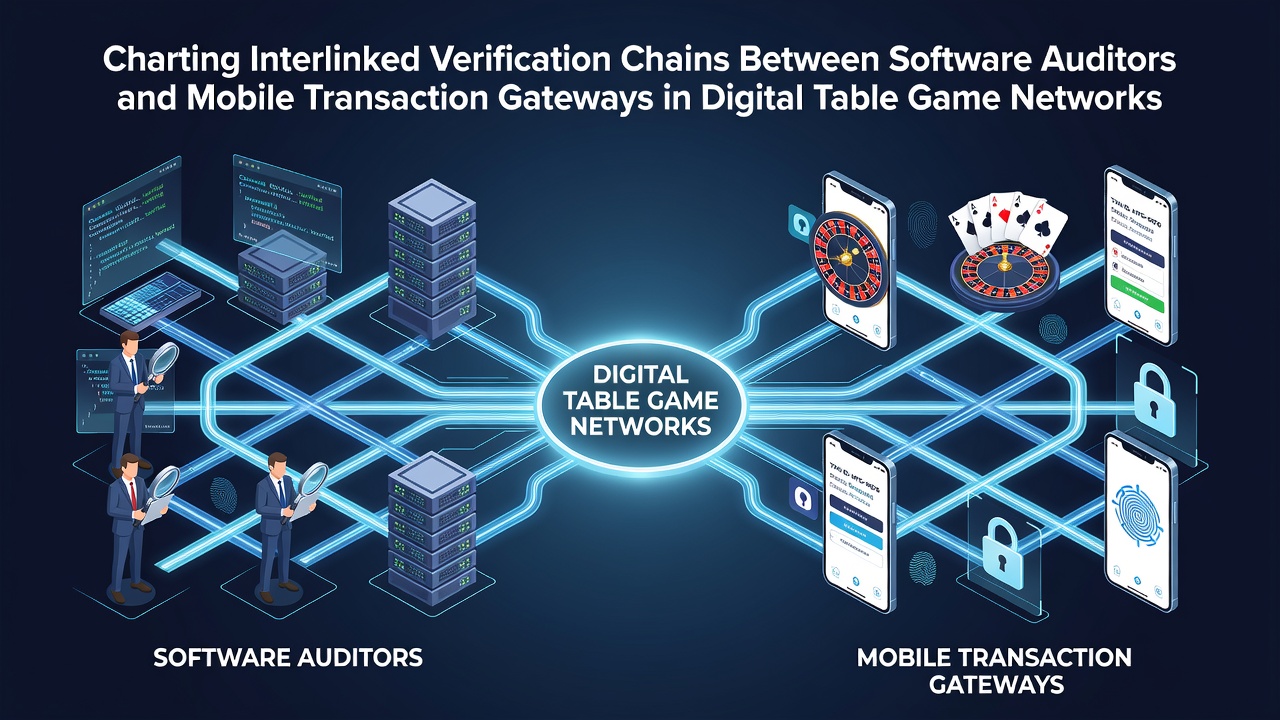
Digital table game networks operate through layered systems where verification chains connect independent software auditors to mobile transaction gateways. These chains ensure that game outcomes remain consistent across platforms while transaction data flows securely between players and operators. In practice the process begins when auditors examine random number generators and game logic then pass certified outputs to gateways that handle deposits, withdrawals, and session records. Software auditors such as those accredited by Gaming Laboratories International evaluate code against jurisdictional standards before any mobile deployment occurs. Once certification completes the results feed into gateway protocols that validate each transaction against the audited game state. Observers note that this linkage prevents discrepancies between displayed results and actual financial movements during live sessions.Core Components of the Verification Process
The architecture relies on sequential checkpoints where auditors document every module and gateways enforce real-time checks. Auditors issue detailed reports that include hash values and test summaries while gateways reference those values during each player interaction. When a mobile device initiates a table game round the gateway queries the certified parameters before authorizing the bet amount.
June 2026 saw several operators update their gateway firmware to incorporate enhanced audit logs from the previous quarter. Data from regulatory filings shows that these updates reduced reconciliation errors by measurable margins across multiple jurisdictions. Researchers tracking compliance patterns found that networks using continuous audit feeds maintained higher uptime during peak hours compared with batch verification models.
Integration Points Between Auditors and Gateways
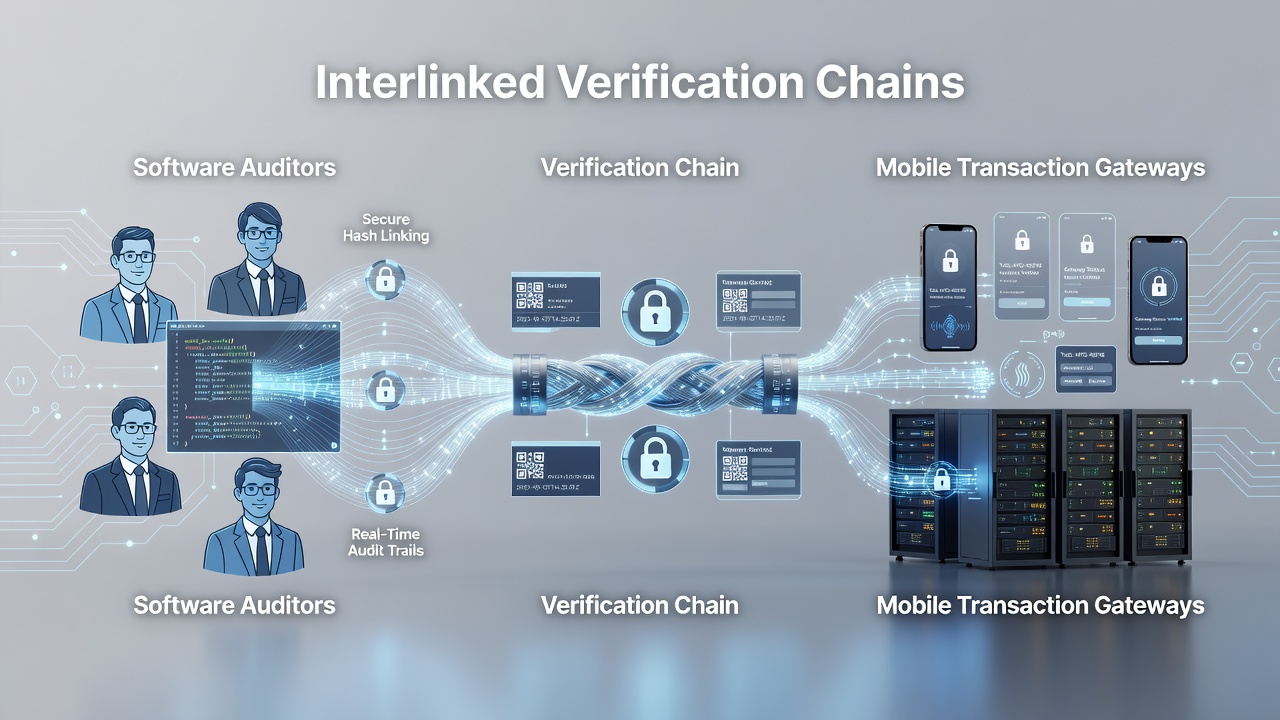
Integration occurs through standardized APIs that transmit certification status and transaction metadata simultaneously. Auditors maintain repositories that gateways access via encrypted channels so any change in game software triggers an immediate flag. This setup allows operators to confirm that a blackjack variant or roulette wheel remains unaltered since its last audit cycle.
One documented workflow involves the auditor embedding a unique identifier within the game server then the gateway confirming that identifier before processing winnings. When mismatches appear the system halts further transactions until manual review resolves the issue. Studies conducted by academic groups in North America have examined similar identifier systems and reported improved traceability across distributed networks.
Security and Compliance Mechanisms
Security protocols within these chains incorporate multi-factor authentication at the gateway level tied directly to auditor-issued certificates. Compliance teams cross-reference transaction logs against audit trails on scheduled intervals. Figures released by the Malta Gaming Authority in early 2026 highlighted that networks with tightly coupled verification systems encountered fewer regulatory queries than those relying on periodic spot checks.
Transaction gateways also log player session data including device identifiers and timestamps that auditors later sample during recertification. This bidirectional flow ensures that any anomaly detected on the financial side can prompt a targeted software review. Those monitoring industry standards report that such sampling methods have become standard practice among major providers serving mobile table game markets.
Challenges in Maintaining Chain Integrity
Network latency and device variability introduce variables that verification chains must accommodate without compromising accuracy. Auditors address these factors by testing across simulated mobile environments before final approval. Gateways meanwhile apply fallback procedures that preserve audit integrity even when connectivity drops temporarily.
Industry reports indicate that operators investing in synchronized audit-gateway systems experienced smoother regulatory renewals during the first half of 2026. The process requires ongoing coordination because software patches and gateway updates occur at different frequencies yet must align to avoid certification gaps.
Conclusion
Verification chains between software auditors and mobile transaction gateways form the backbone of reliable digital table game operations. By linking certification outputs directly to transaction processing these systems maintain consistency across networks while supporting regulatory oversight. Continued refinement of the interfaces between these components will shape how operators manage compliance and security in mobile environments moving forward.