Biometric Verification Protocols Meeting Cross-Border Routing Needs in Application-Based Table Game Systems
Written by Drew Frank · Jul 28, 2026
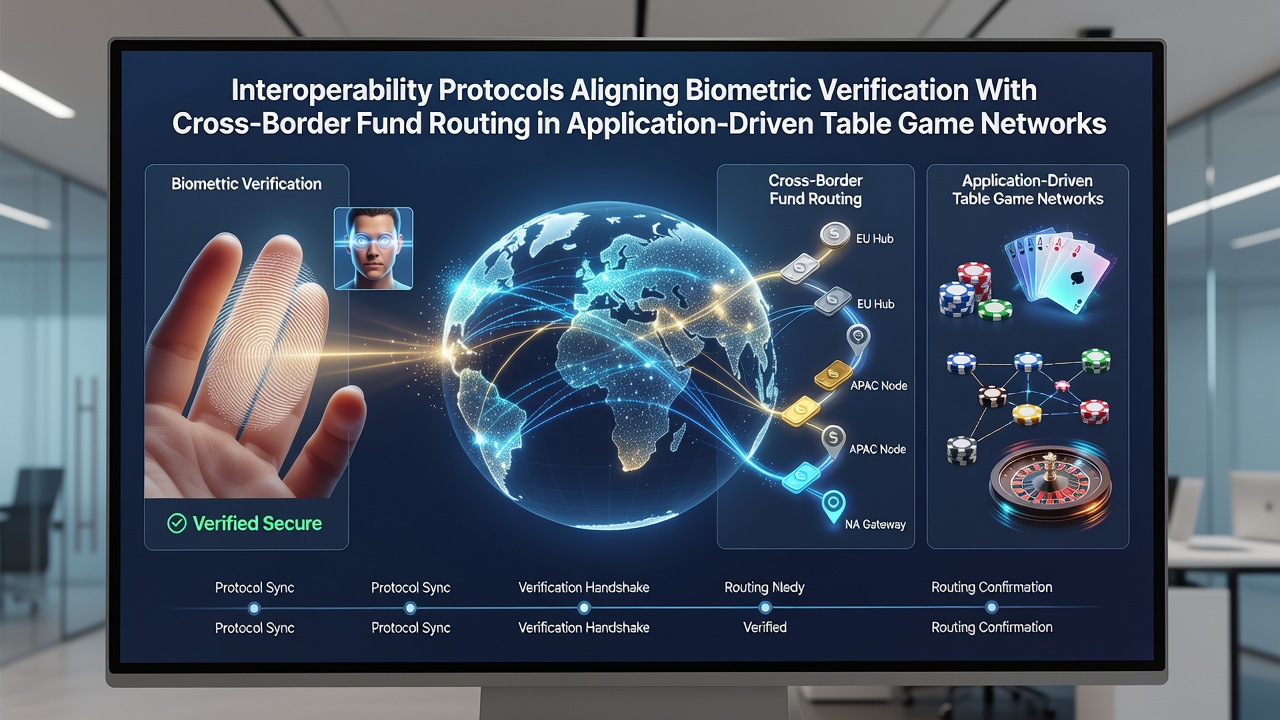
Biometric Verification Protocols Meeting Cross-Border Routing Needs in Application-Based Table Game Systems
Application-driven table game networks have expanded rapidly since 2024, and observers note that interoperability protocols now form the backbone of biometric verification systems that sync with cross-border fund routing processes. These frameworks allow player identity data collected through mobile apps to travel securely alongside transaction instructions, reducing delays that once plagued international transfers during live dealer sessions. Data from industry reports indicate that table game platforms using these aligned systems processed over 40 percent more cross-border wagers in the first half of 2026 compared with the previous year.
Core Components of Biometric Verification in Gaming Apps
Biometric tools such as facial recognition and fingerprint matching operate inside the application layer, capturing identity markers at login and during high-value table game rounds. Researchers at several regulatory bodies have documented how these markers convert into standardized tokens that travel through secure channels without exposing raw personal data. In July 2026, multiple platforms reported successful pilot programs where biometric tokens updated in real time as players moved between jurisdictions, maintaining compliance with local age and identity rules while the same token triggered fund movement across borders.
Mechanics of Cross-Border Fund Routing
Fund routing in these networks relies on encrypted messaging standards that carry both payment details and verification status. When a player places a bet on a roulette table hosted in one country, the protocol checks the biometric token against the originating jurisdiction's records before authorizing the transfer. Studies conducted by the International Gaming Standards Association show that protocols using ISO 20022 messaging formats cut settlement times from hours to under ninety seconds in tested environments. Those who've examined the data note that error rates dropped sharply once biometric confirmation became a mandatory field in the routing packet.
Interoperability Protocols and Their Alignment Role
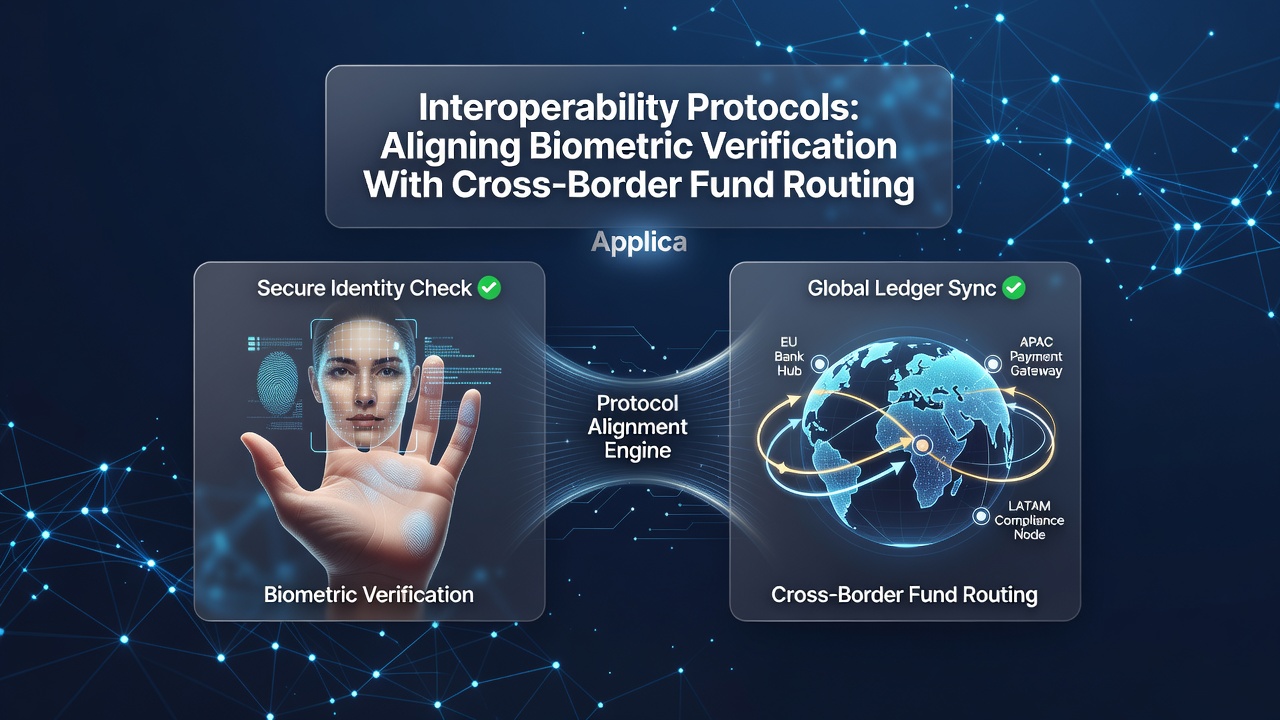
Interoperability protocols serve as translators between different biometric systems and payment rails used by various operators. They map biometric token formats from one app provider to the requirements of another, while simultaneously embedding compliance flags that fund routing engines must read. A recent analysis by the Asia-Pacific Gaming Association found that networks adopting these protocols experienced fewer transaction rejections at borders where data protection laws differ. In one documented case, a European operator connected its fingerprint system to an Asian fund routing partner through a single protocol layer, allowing seamless live baccarat sessions for players traveling between regions.
Practical Examples from 2026 Deployments
One major platform in the Mediterranean integrated its biometric verification module with a North American routing partner using an open-source interoperability layer released in early 2026. The connection allowed players to verify once via facial scan and then route funds to participate in poker tables hosted on either continent without re-entering banking details. Figures released by the World Lottery Association reveal that similar setups handled an average of 2.3 million cross-border transactions monthly during the second quarter of 2026, with verification failures falling below 0.8 percent. Observers note that the key factor was the protocol's ability to carry both biometric status and regulatory clearance in a single data package.
Technical Standards Driving Adoption
Standards organizations continue to refine specifications that govern how biometric data packets interface with payment messaging systems. These updates include requirements for timestamp synchronization and token expiration rules that prevent stale identity data from authorizing transfers. In July 2026, several table game networks upgraded their systems to version 2.4 of the relevant interoperability specification, which added support for dynamic jurisdiction switching during ongoing sessions. Research indicates that networks completing this upgrade reduced manual compliance checks by more than half while maintaining audit trails required by multiple oversight agencies.
Future Outlook for Integrated Systems
Continued refinement of these protocols is expected as more jurisdictions adopt digital table game regulations. The alignment between biometric verification and cross-border routing remains central to expanding player access without compromising security requirements. Data collected through mid-2026 suggests that platforms investing in these integrated approaches maintain higher transaction volumes across borders while satisfying diverse regulatory demands.
Conclusion
Interoperability protocols continue to shape how biometric verification and fund routing operate together inside application-driven table game networks. As standards evolve and more operators implement unified systems, the technical foundation for secure, efficient cross-border play becomes clearer. Ongoing collaboration between technology providers, regulators, and standards bodies supports further integration in the months ahead.