Biometric Integration Routes Linking Verification to Reward Adaptation in Virtual Gaming Environments
Written by Zoe Fischer · Jul 31, 2026
Biometric Integration Routes Linking Verification to Reward Adaptation in Virtual Gaming Environments
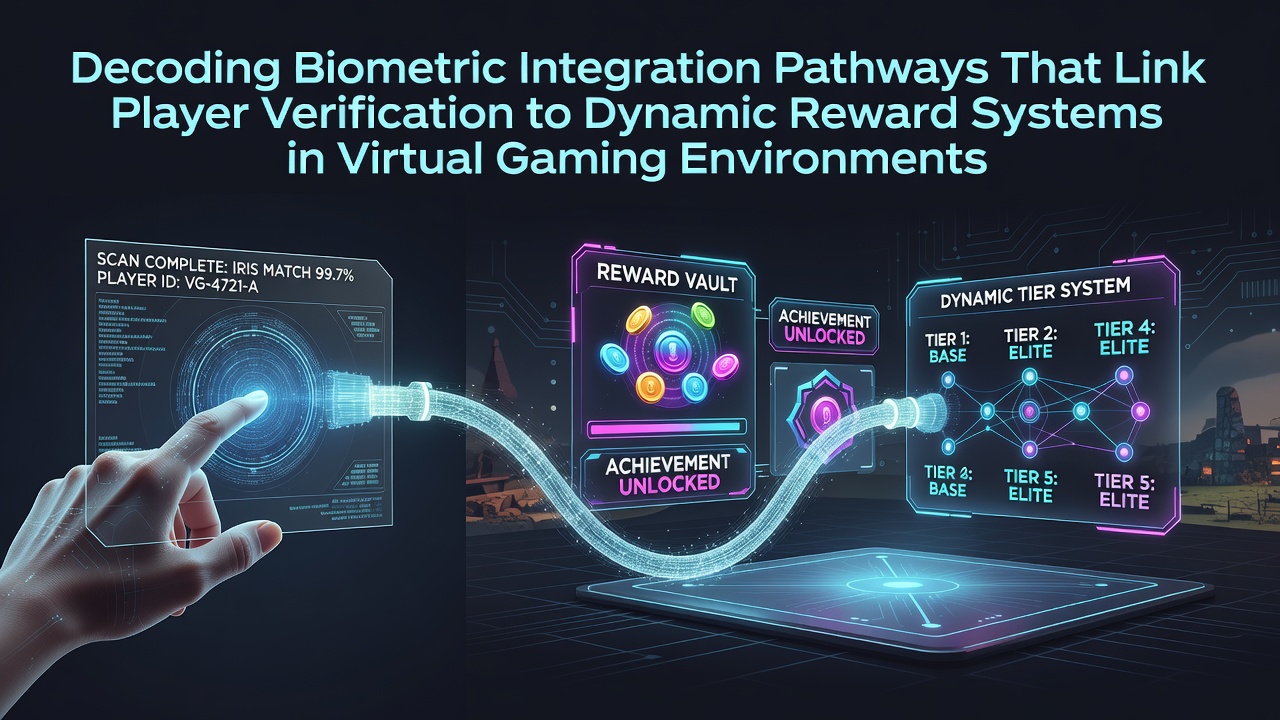
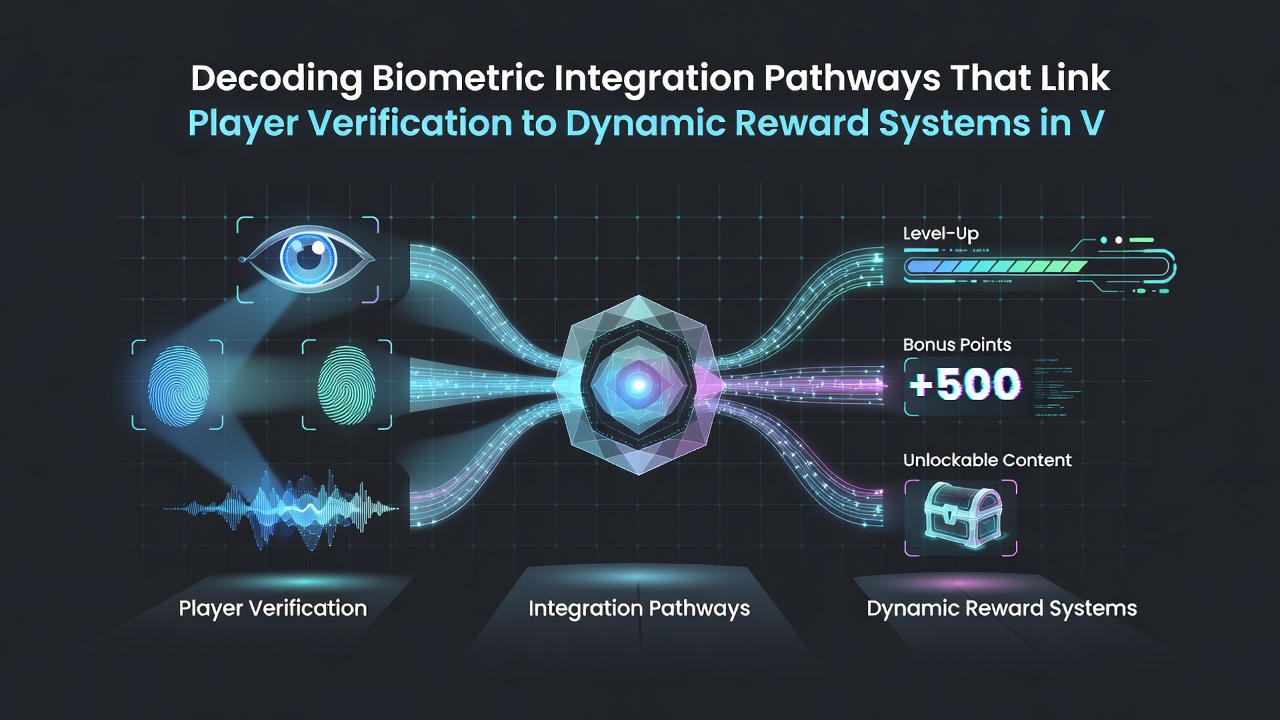
Virtual gaming environments rely on biometric integration pathways to connect player verification processes directly with dynamic reward systems, and data from industry reports show these connections streamline authentication while enabling personalized incentives. Researchers at various institutions have mapped how facial recognition, fingerprint scanning, and voice analysis feed into real-time databases that adjust bonus structures based on verified activity patterns. In July 2026, several platforms reported expanded use of these systems across mobile and desktop interfaces, with verification times dropping by measurable margins according to aggregated operational metrics.
Core Components of Biometric Verification in Gaming
Biometric pathways begin with capture devices that record unique physiological or behavioral traits, then route encrypted data to centralized servers for matching against stored profiles. Studies from academic sources indicate that multi-modal approaches, combining iris patterns with keystroke dynamics, reduce false acceptance rates to levels below 0.1 percent in controlled tests. These verification layers operate continuously during sessions, allowing platforms to confirm identity without interrupting gameplay flow, while data indicates that single-factor methods alone leave gaps that multi-factor biometric setups address more effectively.
Connecting Verification Data to Reward Algorithms
Once verification confirms a player's identity, the same data streams feed into adaptive reward engines that calculate personalized offers such as tailored free spins or deposit matches. Observers note that integration occurs through API connections between authentication modules and loyalty databases, where play history combines with verified details to trigger rewards at specific thresholds. Evidence from technical analyses reveals that real-time adjustments happen within milliseconds, linking verified session length directly to escalating bonus tiers without manual intervention. This linkage supports cross-platform consistency, as players move between devices while maintaining seamless access to accumulated incentives.
Regulatory and Technical Standards Guiding Implementation
Regulatory frameworks in multiple regions require documented audit trails for biometric data handling, and guidelines from the National Institute of Standards and Technology outline testing protocols for accuracy and security. Platforms must demonstrate compliance through third-party evaluations that verify both identity matching precision and protection against data breaches. In parallel, reports from Australian research centers highlight how local operators integrate these standards with transaction monitoring to align verification outcomes with reward distributions across state-licensed environments. Those who've examined the pathways point out that encryption standards like AES-256 secure the data transfer between verification points and reward systems, preventing unauthorized access during transmission.
Practical Examples Across Gaming Platforms
One documented case involved a North American operator that deployed voice biometrics to verify returning players, resulting in automated reward unlocks tied to verified play volume within the same session. Data collected over six months showed increased retention metrics when verification and rewards operated as a single pathway rather than separate steps. European platforms have tested similar integrations with fingerprint sensors on mobile devices, where verified users receive instant access to progressive bonus pools calibrated to their account history. These examples demonstrate how the pathways scale from basic login checks to complex reward personalization without requiring additional user input.
Security Measures and Data Handling Practices
Security protocols embed biometric templates within isolated storage environments that separate raw data from reward calculation modules, and audits confirm that template matching occurs without exposing full biometric records. Industry organizations track incident rates, with figures revealing that properly integrated systems experience fewer account takeover events compared to password-only setups. Platforms update their algorithms quarterly to account for emerging spoofing techniques, maintaining pathway integrity while reward systems continue to respond dynamically to verified behaviors.
Conclusion
Biometric integration pathways continue to evolve as verification data merges more tightly with dynamic reward mechanisms in virtual gaming settings. Technical documentation and operational reports confirm that these connections enhance both security and personalization when implemented under established standards. As platforms refine the routes in coming periods, the focus remains on maintaining accurate, encrypted linkages that support player access and incentive delivery across diverse environments.